
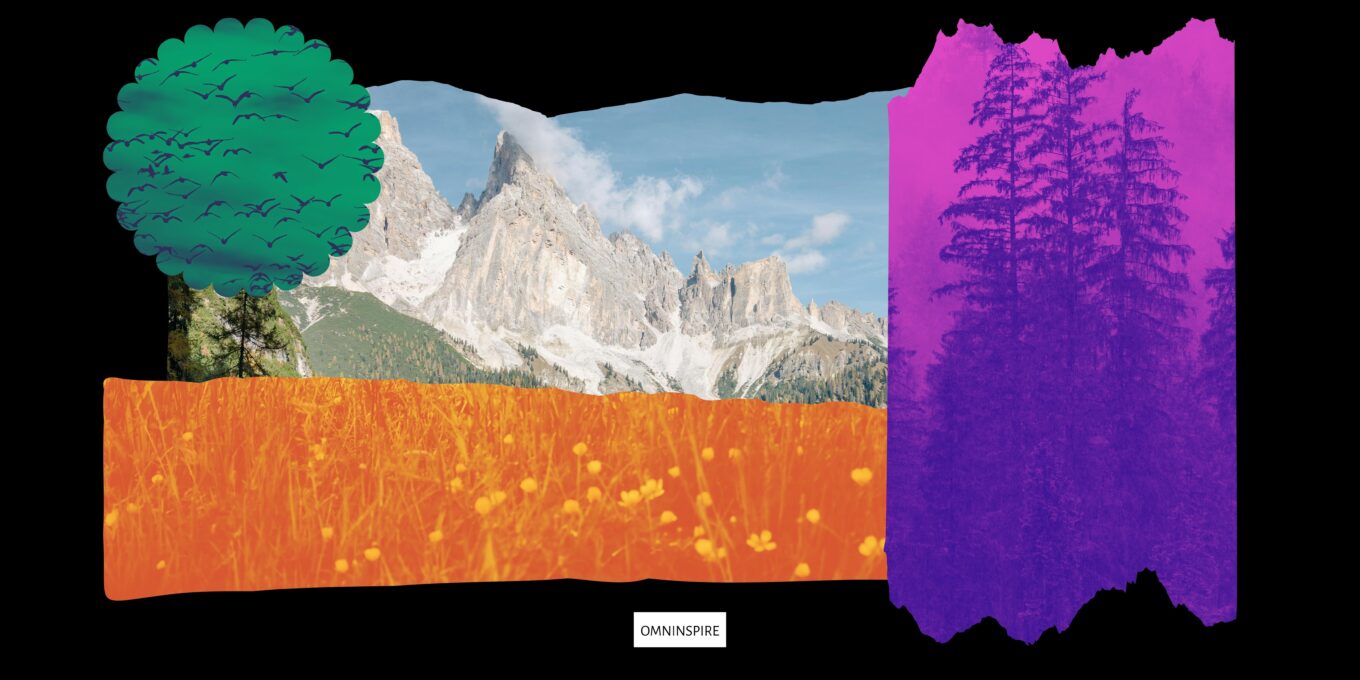
For most of human history, people lived in close contact with nature. Forests, rivers, grasslands, and wildlife formed the backdrop of daily life and survival. Human societies depended on natural ecosystems for food, water, shelter, and medicine. As a result, interactions with plants, animals, and natural landscapes were unavoidable. However, rapid urbanization, technological advancement, and changing lifestyles have transformed this relationship dramatically. Today, many people spend most of their lives indoors, surrounded by concrete structures, digital devices, and highly controlled environments. Direct contact with biodiversity has become increasingly limited, especially in urban areas where natural habitats are often fragmented or inaccessible.
This growing disconnect has contributed to what researchers describe as biophobia. While fear of genuinely dangerous organisms is a normal evolutionary response, biophobia extends beyond rational caution. It encompasses fear, discomfort, disgust, avoidance, and even indifference toward nature and living organisms. Consequently, many individuals feel uneasy in natural environments or develop negative perceptions of wildlife and biodiversity.
What is Biophobia?
Biophobia is commonly defined as an aversion to, fear of, or discomfort with nature and living organisms. The concept is often presented as the opposite of biophilia, a term popularized by biologist Edward O. Wilson to describe humanity’s innate tendency to connect with life and natural systems. While biophilia suggests that humans possess an inherent attraction to nature, biophobia highlights the negative emotions that can emerge when people perceive natural environments as threatening, unpleasant, or undesirable. These reactions may be directed toward specific organisms such as insects, reptiles, birds, or mammals, but they can also extend to entire ecosystems such as forests, wetlands, and wilderness areas.
Importantly, biophobia does not always manifest as intense fear. In many cases, it appears as avoidance, anxiety, disgust, or a preference for highly managed landscapes over biodiverse environments. A person may feel uncomfortable walking through a forest, reluctant to visit a wetland, or disturbed by the presence of insects in a garden. While such reactions may seem insignificant individually, they collectively contribute to a broader cultural distancing from nature. As urban populations continue to grow and daily experiences with biodiversity decline, biophobia is increasingly being recognized as an emerging social phenomenon that shapes how people perceive and interact with the natural world.
What Causes Biophobia in the Present Day?
Psychological Factors Behind The Rise of Biophobia
Psychological research suggests that certain aspects of biophobia originate from evolutionary survival mechanisms. Throughout human history, the ability to recognize and avoid threats played an essential role in survival. Fear responses helped early humans avoid predators, venomous animals, contaminated food, and dangerous environments. Although these instincts remain useful in certain situations, modern societies often magnify them beyond their original purpose. Today, many people develop strong negative reactions toward harmless organisms simply because they resemble species that were historically associated with danger. Consequently, fear responses may be triggered even when no genuine threat exists.
Childhood experiences also play a crucial role in shaping attitudes toward nature. Children who spend time outdoors often develop familiarity with wildlife, vegetation, and natural environments. Through repeated exposure, they learn to distinguish between real dangers and harmless elements of biodiversity. However, children who grow up with limited contact with nature may perceive natural settings as unfamiliar and unpredictable. Additionally, parental warnings, cultural beliefs, and media portrayals can reinforce these perceptions. News stories frequently emphasize wildlife attacks, disease outbreaks, or environmental hazards, while positive interactions with biodiversity receive far less attention. As a result, individuals may develop exaggerated perceptions of risk that persist into adulthood and contribute significantly to The Rise of Biophobia.
Behavioural Sciences and The Rise of Biophobia
Behavioral sciences provide another perspective on why biophobia appears to be increasing. Human behavior is strongly influenced by familiarity, habits, and social norms. People naturally gravitate toward environments that feel predictable and manageable. Therefore, modern urban spaces often feel safer and more comfortable than natural landscapes. When individuals spend most of their time indoors or in highly controlled environments, interactions with biodiversity become increasingly rare. Consequently, nature begins to feel unfamiliar, and unfamiliarity often generates discomfort or anxiety. This process can gradually reinforce avoidance behaviors that strengthen biophobic tendencies over time.
Social influences further contribute to this phenomenon. Children often adopt attitudes and behaviors from parents, peers, and communities. If outdoor activities are not valued within a family or social group, opportunities to develop meaningful relationships with nature become limited. Furthermore, digital entertainment has transformed how people spend their leisure time. Streaming services, video games, social media platforms, and virtual experiences compete directly with outdoor recreation. As people become more accustomed to screen-based activities, the motivation to explore natural environments declines. Behavioral scientists argue that this growing “nature deficit” reduces familiarity with biodiversity and creates conditions that allow biophobia to flourish across generations.
Urban Living and The Rise of Biophobia
Urbanization represents one of the most significant drivers behind The Rise of Biophobia. More than half of the world’s population now lives in cities, and this proportion continues to increase. Although urban areas provide economic opportunities, educational resources, and healthcare services, they often limit daily contact with nature. Many city residents encounter biodiversity only in highly managed parks, landscaped gardens, or media representations. Genuine exposure to diverse ecosystems and wildlife is increasingly uncommon. Consequently, natural environments may appear distant, unfamiliar, or even intimidating to urban populations.
The design of modern cities can also influence perceptions of nature. Urban planning frequently prioritizes order, cleanliness, and predictability. Wild vegetation is often removed, natural habitats are modified, and spontaneous ecological processes are hidden from public view. Over time, these environments shape expectations about how landscapes should appear. Dense forests, wetlands, and biodiverse habitats may then seem chaotic or threatening simply because they differ from the controlled environments people encounter every day. Furthermore, technology has intensified this separation. Work, education, shopping, and social interactions increasingly occur through digital platforms, reducing the need to spend time outdoors. As a result, urban living continues to create conditions that weaken human connections with nature and contribute to growing biophobic attitudes.
How Can Biophobia Harm Humans in the Long Run?
The long-term consequences of biophobia extend far beyond individual fears and preferences. One of the most significant concerns involves mental and physical well-being. A growing body of research suggests that spending time in natural environments can reduce stress, improve mood, enhance cognitive performance, and support overall psychological health. Natural settings often provide opportunities for relaxation, reflection, and physical activity. However, individuals who avoid nature due to fear, discomfort, or negative perceptions may miss these benefits entirely. Consequently, biophobia can contribute to a lifestyle that is increasingly disconnected from sources of emotional restoration and well-being.
Biophobia also presents serious challenges for biodiversity conservation. Public support is essential for protecting ecosystems, wildlife, and natural resources. Yet people are generally more willing to protect what they understand and appreciate. When fear or dislike dominates perceptions of biodiversity, conservation efforts can face significant resistance. Species such as insects, reptiles, bats, and amphibians often suffer from negative public perceptions despite their critical ecological roles. Pollination, pest control, nutrient cycling, and ecosystem stability depend on many organisms that are commonly misunderstood or feared. As biophobia becomes more widespread, support for biodiversity protection may weaken, creating additional challenges for conservation initiatives.
Another concern involves declining ecological literacy. Understanding nature helps individuals recognize the interconnected relationships that sustain ecosystems and human societies. However, limited exposure to biodiversity reduces opportunities for learning and observation. Misconceptions about wildlife become more common, and ecological knowledge becomes increasingly superficial. Over time, this lack of understanding can influence public policy, environmental decision-making, and community engagement. Furthermore, future generations may inherit an even greater disconnect from nature, creating a cycle that becomes increasingly difficult to reverse. Therefore, the consequences of biophobia extend beyond individual experiences and may ultimately affect broader environmental and societal outcomes.
How to Overcome Biophobia
Although biophobia presents growing challenges, research suggests that it can be addressed through deliberate efforts to reconnect people with nature. One of the most effective approaches involves increasing opportunities for positive experiences in natural environments. Familiarity often reduces fear, and regular interaction with biodiversity helps individuals develop confidence and understanding. Simple activities such as visiting parks, walking through nature trails, gardening, or observing local wildlife can gradually transform perceptions. Over time, experiences that once seemed intimidating may become sources of enjoyment and curiosity.
Education also plays a critical role in overcoming biophobia. Environmental education programs can help individuals understand ecological processes, species behavior, and the importance of biodiversity. Knowledge often reduces uncertainty, and reduced uncertainty can lessen fear. Schools are particularly important because childhood experiences have lasting effects on attitudes toward nature. Outdoor learning opportunities, field trips, school gardens, and biodiversity projects can help children develop positive relationships with natural environments from an early age. These experiences not only increase ecological awareness but also encourage appreciation for the living world.
Urban planning and public policy can further support efforts to reduce biophobia. Cities that incorporate accessible green spaces, urban forests, community gardens, and biodiversity-friendly landscapes provide residents with regular opportunities to engage with nature. Additionally, conservation organizations and environmental communicators can promote positive narratives about biodiversity rather than focusing exclusively on environmental threats. By highlighting the benefits of healthy ecosystems and meaningful human-nature interactions, societies can foster curiosity, appreciation, and stewardship. Ultimately, overcoming biophobia requires a cultural shift that recognizes nature not as something to fear, but as an essential part of human life and well-being.
Fortunately, biophobia is not an irreversible condition. Through education, positive experiences, thoughtful urban design, and increased exposure to biodiversity, individuals and communities can rebuild meaningful connections with nature. Addressing The Rise of Biophobia is ultimately about more than reducing fear. It is about restoring a relationship that has shaped human existence for millennia and ensuring that future generations remain connected to the living systems upon which all life depends.