
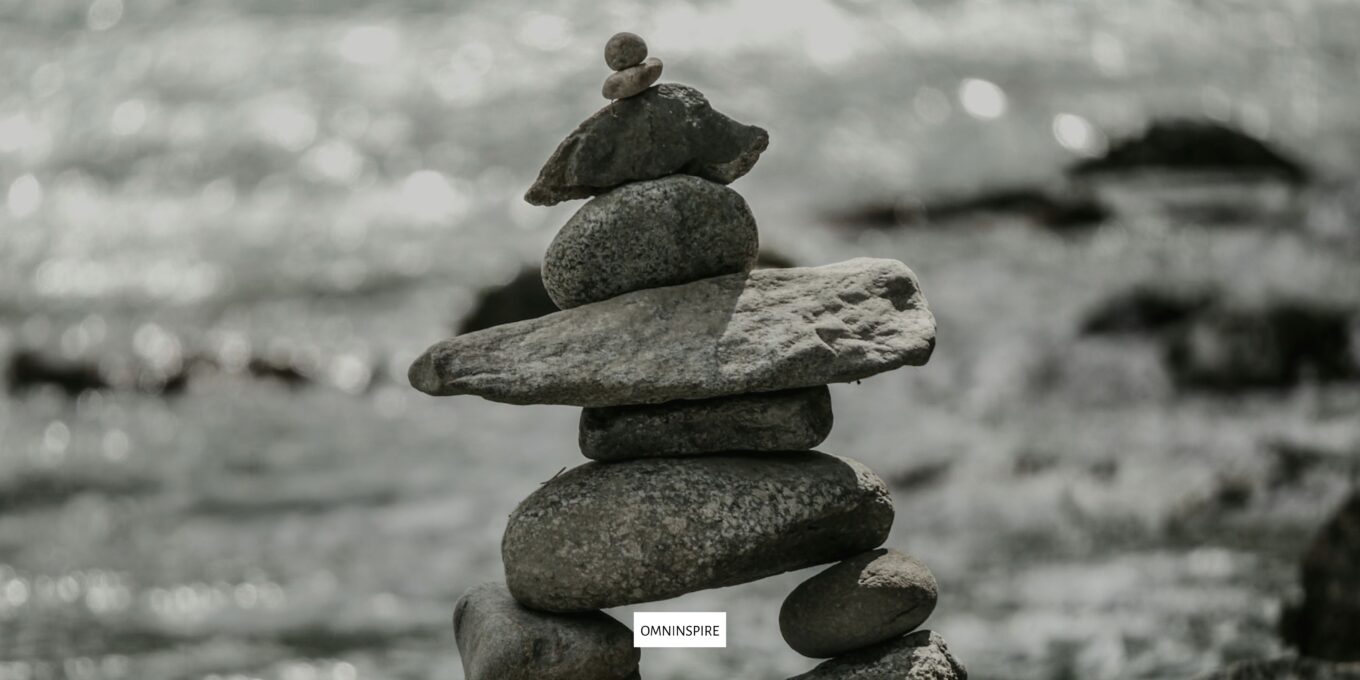
In a world that moves faster every day, patience can feel difficult. We expect quick answers, instant results, and immediate solutions. However, meaningful things rarely happen overnight. Skills take time to develop. Relationships need time to grow. Success also requires consistent effort. Therefore, learning patience is not simply an old-fashioned virtue. It is an important life skill that can make us calmer, wiser, and stronger.
The Quiet Power of Patience lies in our ability to remain steady when results are slow. Patience teaches us to continue moving forward without demanding immediate rewards. It helps us manage frustration and handle uncertainty. More importantly, it creates space between our emotions and our actions. As a result, we can make better decisions and respond to difficult situations more thoughtfully.
What Is Patience, Really?
Patience is the ability to remain calm while facing delay, difficulty, uncertainty, or frustration. However, true patience involves more than simply waiting. It means accepting that some things follow their own timeline. A patient person understands this reality and continues making an effort without becoming overwhelmed by the wait.
For example, learning a new skill rarely produces instant results. You may practice for weeks and still make mistakes. Nevertheless, every practice session adds experience. With time, those small improvements become noticeable. Therefore, patience helps us continue during periods when progress is difficult to see.
Patience also involves emotional control. When something goes wrong, anger or frustration may appear quickly. However, patience encourages us to pause before reacting. During that pause, we can think clearly and choose a better response. Consequently, patience can prevent unnecessary arguments, impulsive decisions, and regret.
Patience Is Not the Same as Doing Nothing
Patience is sometimes confused with passivity. However, the two are very different. Being patient does not mean ignoring problems or waiting for everything to solve itself. Instead, it means taking meaningful action while accepting that results may take time.
For instance, a student can patiently prepare for an exam while studying every day. Similarly, an entrepreneur can patiently build a business while improving its products and services. Therefore, patience and action can work together. In fact, true patience often requires persistent effort.
Why The Quiet Power of Patience Matters
The Quiet Power of Patience becomes clear when we consider how often impatience affects our daily lives. We become frustrated when someone responds slowly. We feel disappointed when plans change. We may even question ourselves when our goals take longer than expected.
However, impatience often creates additional stress. A delay may already be difficult, but constantly worrying about it can make the experience worse. Patience gives us another option. Instead of focusing on what we cannot control, we can focus on what we can do.
For example, we cannot always control when someone responds to us. Nevertheless, we can control how we spend that waiting time. We can continue working, relax, or focus on another useful task. Therefore, patience helps us use our energy more wisely.
How Patience Helps Us
Patience offers benefits that reach far beyond waiting. It can improve emotional health, decision-making, relationships, and personal growth. Furthermore, it can help us develop resilience when life becomes difficult.
Patience Improves Emotional Control
Strong emotions can influence our behavior. Anger can make us say hurtful things. Frustration can make us give up. Fear can push us toward poor decisions. However, patience gives us time to understand our emotions before acting on them.
Imagine receiving an upsetting message. An immediate response may make the situation worse. However, waiting until you feel calmer can help you communicate more effectively. Over time, this habit can strengthen emotional self-control and resilience.
Patience Improves Decision-Making
Important decisions often require careful thought. Unfortunately, impatience can encourage quick choices. We may buy something without thinking or make a major decision during a stressful moment.
Patience creates space for reflection. We can gather information, consider consequences, and examine different options. Moreover, waiting may reveal information that was previously unavailable. Therefore, patience can help us make wiser long-term decisions.
Patience Reduces Unnecessary Stress
Many frustrations come from wanting immediate control. We want people to respond quickly. We want plans to work perfectly. We want our efforts to produce results immediately.
Unfortunately, life does not always work that way. Patience helps us accept what we cannot change. Instead, we can focus on our effort, preparation, and response. As a result, we may feel calmer and more balanced.
The Quiet Power of Patience in Relationships
Relationships require patience because people are different. Everyone has different experiences, personalities, opinions, and communication styles. Therefore, misunderstandings are inevitable.
Without patience, small disagreements can become serious conflicts. We may interrupt someone or assume we know what they mean. On the other hand, patience encourages us to listen carefully. It gives others space to explain themselves.
Furthermore, patience supports forgiveness. Everyone makes mistakes, including us. However, patience does not mean accepting harmful behavior. Healthy patience can exist alongside clear boundaries and self-respect.
During difficult conversations, patience becomes especially valuable. When emotions are high, taking a short pause can prevent unnecessary damage. We can calm ourselves and return to the conversation with greater understanding. Consequently, patience can help create healthier relationships.
Patience and Personal Growth
Personal growth rarely happens quickly. Whether we are developing a skill, improving our health, or building confidence, meaningful change takes time.
For example, exercising once will not transform your fitness. However, regular exercise can produce significant results over time. Similarly, reading a few pages may seem insignificant. Yet, consistent reading can eventually lead to greater knowledge.
Therefore, patience helps us appreciate small improvements. Instead of focusing only on the final goal, we can recognize the progress happening along the way. This mindset can keep us motivated when results are not immediately visible.
Moreover, patience helps us recover from setbacks. A failed attempt does not necessarily mean that a goal is impossible. Instead, it can teach us what needs to change. Consequently, patient people are often better prepared to continue after disappointment.
What Makes It Difficult to Be Patient?
Modern life has made patience more challenging. Technology provides instant communication, entertainment, and information. As a result, waiting can feel uncomfortable.
Comparison is another major challenge. We may see someone else’s success and wonder why our own progress is slower. However, we rarely know everything behind another person’s journey. Everyone has different circumstances and opportunities.
Uncertainty can also create impatience. We naturally want to know what will happen next. Nevertheless, some answers can only come with time. Therefore, learning to live with uncertainty is an important part of becoming patient.
How to Learn to Be Truly Patient
The good news is that patience can be developed. You do not have to be naturally patient. Instead, you can strengthen patience through regular practice.
Start with small situations. Wait calmly in a line. Allow someone to finish speaking. Put your phone away for a few minutes. When you receive an upsetting message, pause before replying. These simple moments can become daily exercises in patience.
Another useful habit is mindful breathing. When frustration rises, stop and take several slow breaths. Notice your emotions without immediately acting on them. Then, decide what response would actually improve the situation.
It is also important to set realistic expectations. Impatience often comes from expecting too much too quickly. Therefore, give yourself reasonable time to learn and improve. Accept that mistakes are part of growth.
Focus on Progress Instead of Speed
One of the best ways to develop patience is to stop measuring success by speed. Instead, focus on progress. You may not have reached your goal yet, but you may still be moving forward.
Ask yourself what you have learned. Consider what has improved. Think about how you handle challenges today compared with the past. These questions can help you recognize growth that might otherwise go unnoticed.
Furthermore, focus on what you can control. You cannot control every outcome or another person’s decisions. However, you can control your preparation, effort, attitude, and response. Therefore, focusing on controllable actions can reduce frustration.
The Quiet Power of Patience During Difficult Times
Difficult situations often reveal the true value of patience. When everything goes well, remaining calm is easy. However, setbacks can test our emotional strength.
You may experience rejection, failure, delays, or unexpected changes. During these moments, giving up may seem easier. Nevertheless, patience reminds us that one difficult moment does not define our entire journey.
Sometimes, we simply need time to understand a situation. At other times, circumstances need time to change. Therefore, patience helps us avoid making permanent decisions during temporary emotional moments.
Moreover, every difficult experience can strengthen resilience. When we learn to tolerate discomfort without immediately giving up, we become more confident in our ability to handle future challenges.
Embracing The Quiet Power of Patience
The Quiet Power of Patience is found in our ability to remain steady when life feels slow, uncertain, or difficult. Patience does not mean giving up. It does not mean avoiding action. Instead, it means continuing with purpose while accepting that meaningful results require time.
Patience can improve emotional control, decision-making, relationships, and personal growth. Furthermore, it can help us handle uncertainty and recover from setbacks. Most importantly, patience can change our relationship with time.
Instead of seeing every delay as a problem, we can see time as part of the process. We can learn to appreciate small improvements and trust consistent effort. Therefore, when progress feels slow, we should not assume that nothing is happening.
Start small. Pause before reacting. Listen carefully. Focus on progress. Accept what you cannot control. Keep taking meaningful steps.
Ultimately, patience is a quiet form of strength. It may not produce instant results, but its impact can last a lifetime. The Quiet Power of Patience reminds us that some of life’s most valuable achievements need time.
Sometimes, waiting is not standing still. Sometimes, waiting is where we grow.